
Deals
How to Stack Coupons Without Getting Flagged at Checkout
Stacking coupons is normal shopping when you follow the rules. Learn the offer types, why systems flag misuse, and the habits that keep savings clean.

Stitching, fabric, and hardware tells you can check on the rack, before you check the price tag.
Flash sales are built to rush you. Learn how dynamic prices and countdown pressure work, then run four quick checks before any limited-time deal.
Priced right, checked twice, bought once.
Stacking coupons is normal shopping when you follow the rules. Learn the offer types, why systems flag misuse, and the habits that keep savings clean.

A short, fixed morning routine beats hours of scrolling. Start from lists, match coupons to them, and compare prices before anything goes in the cart.

Price tags can tell two stories: a real clearance or a clever frame. This guide explains how markdowns work and how to spot genuine savings.

A full bottle is a commitment. Here's how to sample so you never end up with a 100 ml regret on your shelf.

The first five ingredients tell you more about a foundation than the price tag does.
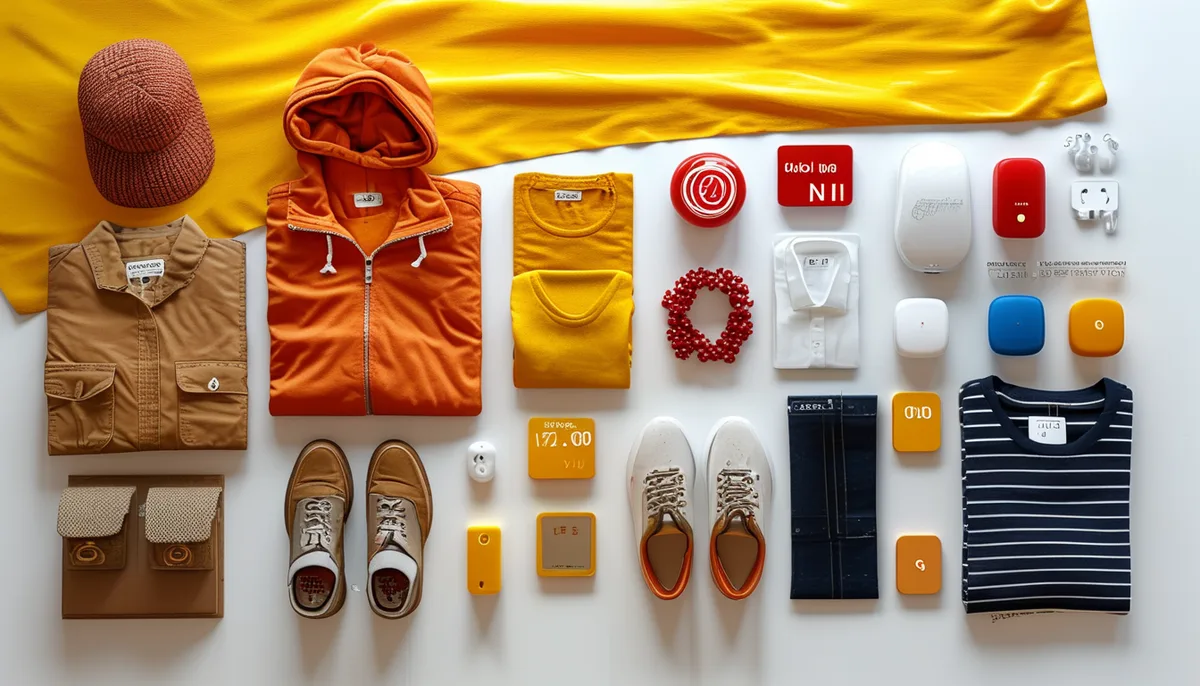
Most luxury mascara pairs have a budget twin that performs close to the original. A few swaps cost you real performance.

The quality-to-cost sweet spot in furniture usually sits in the middle tier — and knowing why tells you when to splurge and when to stop.

A coat you wear for a decade can justify a high price. Most other 'investment pieces' can't.
Expiration, inactivity fees, state protections, and the resale market for cards you won't use — checked before you buy or sell.
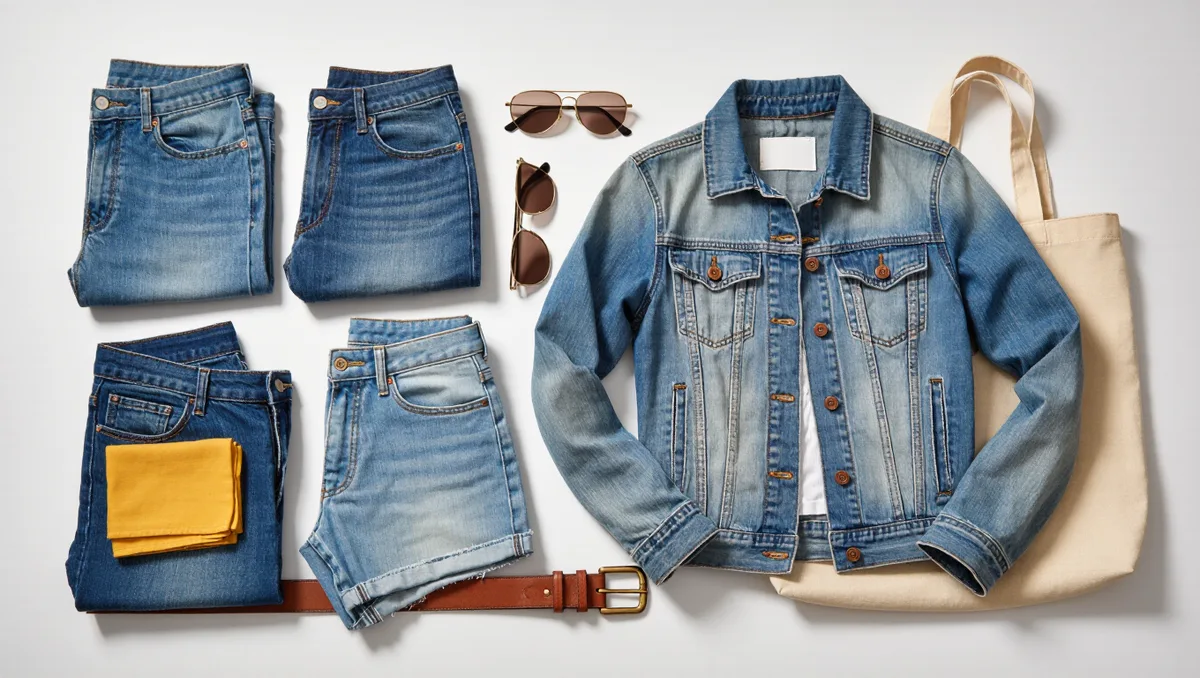
Inside the patient, obsessive search for old jeans — and how to hunt without overpaying.
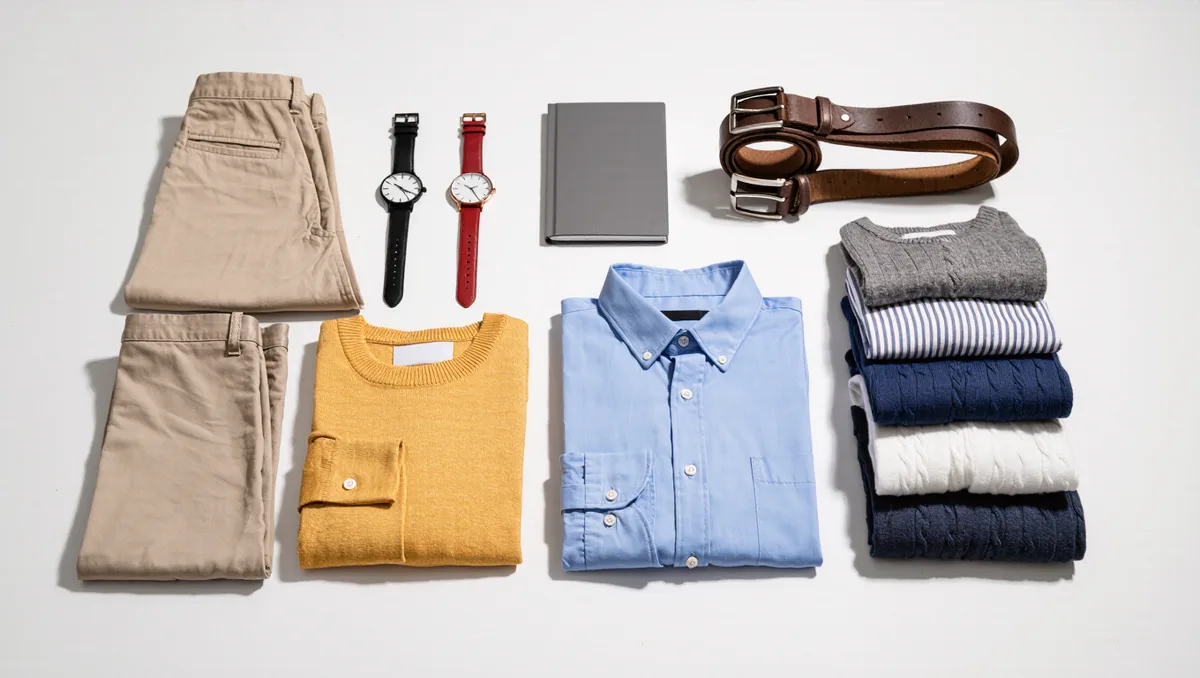
The small numbers on a tag can tell you whether a price will fall again — or whether you're already at the floor.

The floor plan is doing the selling. Here is how the design works, and how to shop it on your own terms.

Inside the criteria, the conflicts, and the tells that separate a vetted pick from a paid one.

The fabric chain's 2025 liquidation closes roughly 800 stores and removes the last national crafts big-box — what it changes for shoppers.

Retail discounting runs on a fixed calendar with four genuine troughs: late November's holiday corridor, January's post-holiday clear-out, the July counter-season events, and the Labor Day window at summer's end.
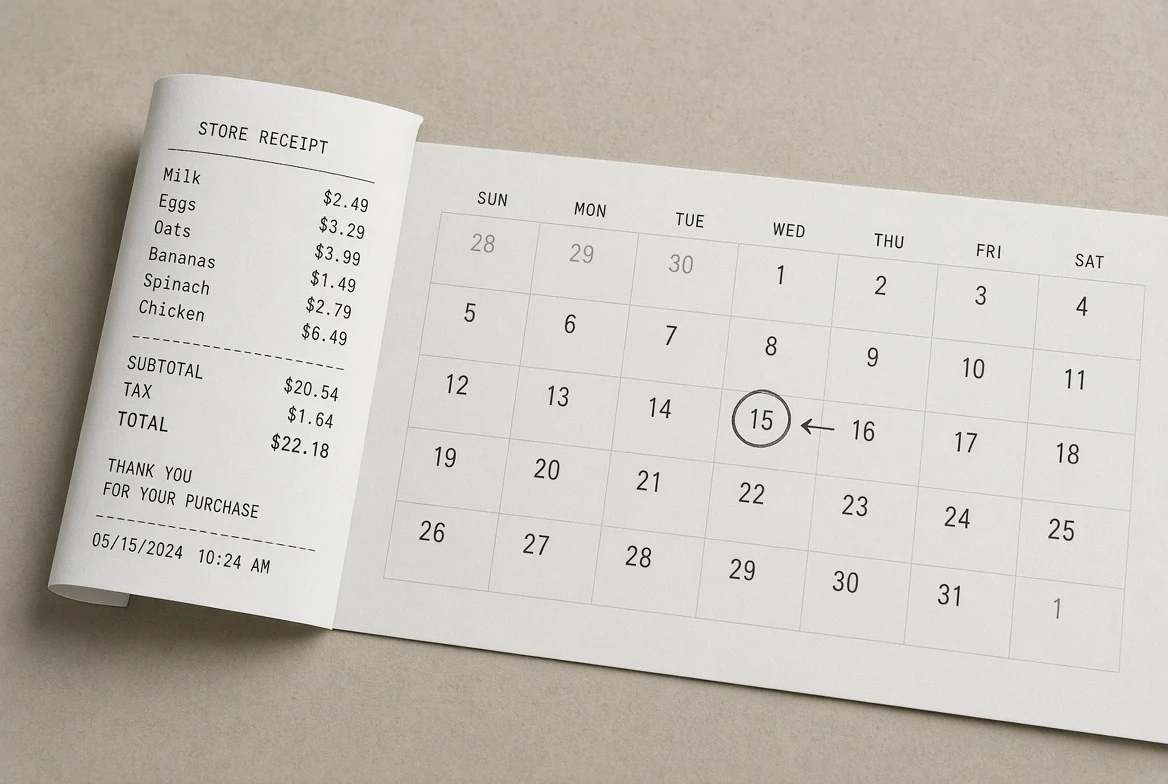
No federal rule forces a retailer to take an item back. Here's what Target, Macy's, and Nordstrom actually commit to, and how to check any store's real policy before you buy.

Retailers know how your brain prices a bargain. Here is what the science says, and how to shop around it.

A weekly ritual that takes minutes, not hours — and skips the fake markdowns.

Much of what fills an outlet store was never on a regular retail rack. Here's how to tell the difference, and when the price still makes sense.

One-stop convenience and deep discounts on one side; expertise, fit, and service on the other. Here's how to decide which store deserves which purchase.

How price trackers actually work, what they miss, and how to pick one that fits how you shop.

A simple framework for comparing the repair quote in your hand against the price of a new one — and the lifespan both have left.

A federal pricing rule and a documented pattern of near-permanent “sales” show why a discount sticker doesn't prove much on its own — and how to check one yourself before you buy.
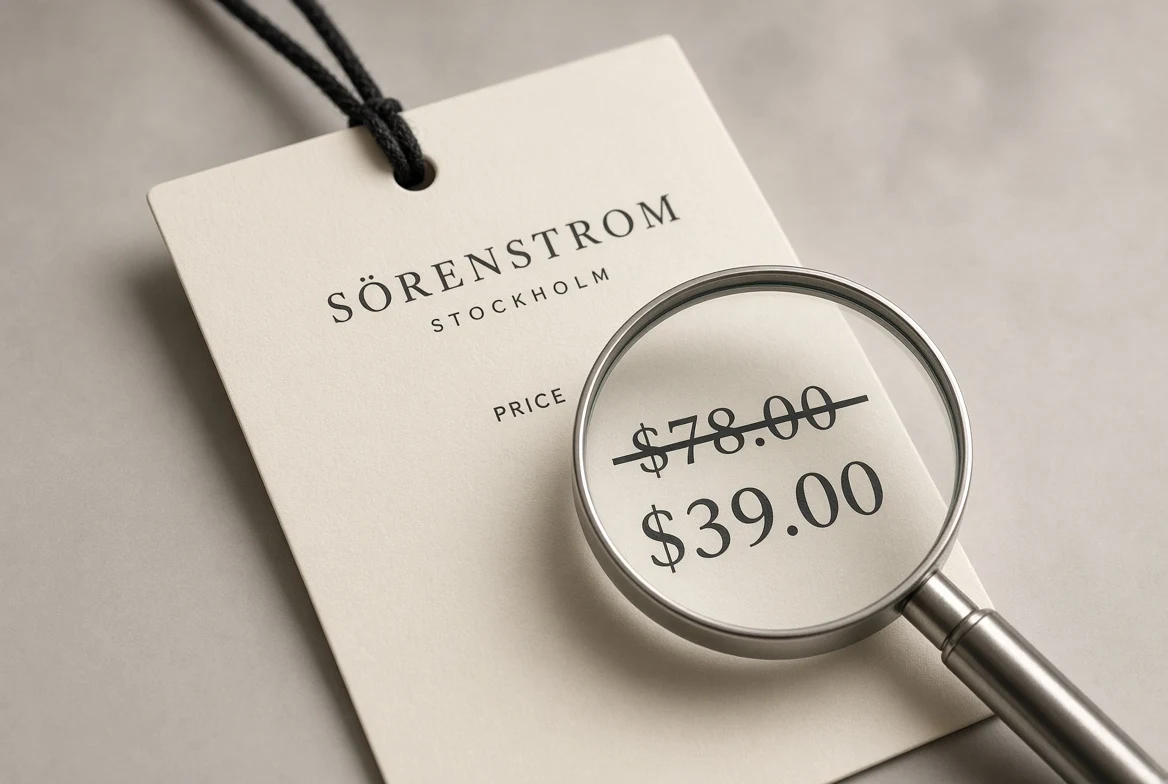
A struck-through "was" price is a claim about what one seller recently charged — not a fact about what an item is worth.