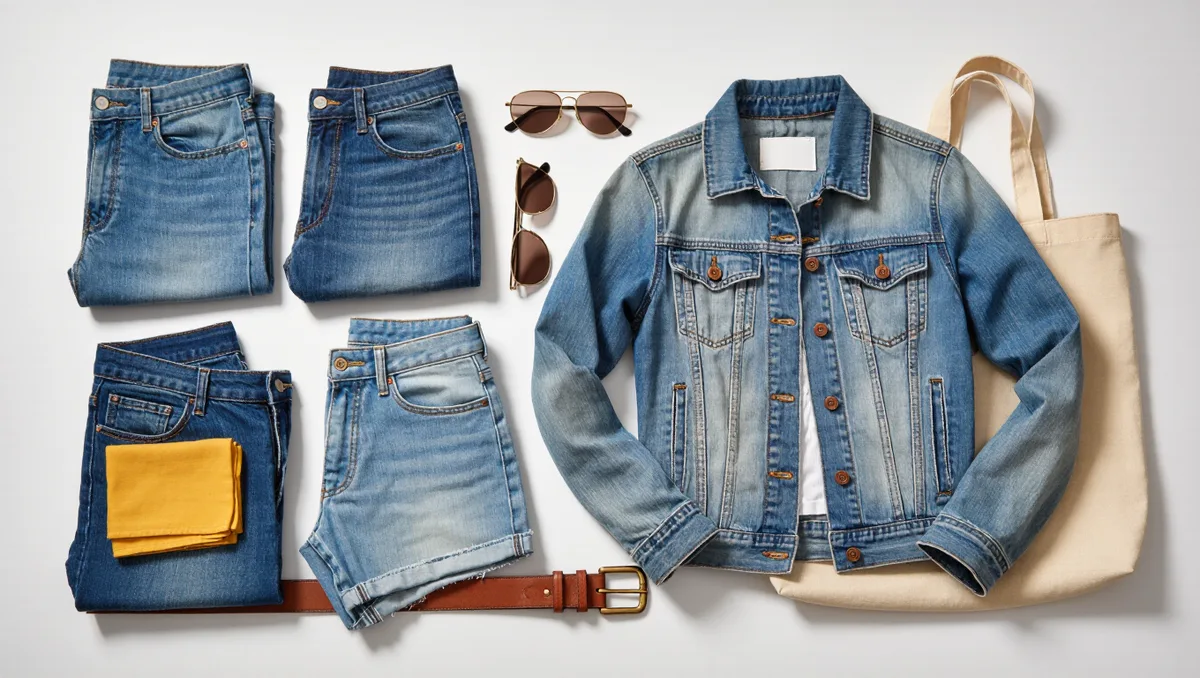
Some shoppers want new jeans. Others want a pair that already lived a life. The second group — the vintage denim hunters — will dig through racks for hours, checking stitching, hardware and fade patterns, all for jeans nobody made this year. Their prize is simple: denim with character, built to a standard they believe modern pairs rarely match.
The hunt has a rhythm to it. You learn which stores curate carefully and which are just old clothes at high prices. You learn what a good fade looks like and why the stitching on the back pocket matters. And you learn that geography helps — some cities have become quiet destinations for this exact search.
Why vintage denim draws such devotion
Old jeans carry details you can see and touch. Older production runs often used heavier denim, denser stitching and construction choices that show wear instead of falling apart from it. A faded pair has a fade pattern shaped by a real person's habits — creases at the knees, whiskers at the hips, a soft spot where a wallet sat for years. No factory distressing replicates that honestly.
There's also the sustainability argument, and it's the one retailers themselves lead with. Preowned clothing keeps garments in use instead of in a landfill, and the vintage boom has made secondhand shopping mainstream rather than niche. According to Visit KC, the selection of vintage retail in the Kansas City area keeps expanding, with preowned goods as coveted as they've ever been — a pattern playing out in cities well beyond Missouri.
Then there's the price logic, which is where this publication usually comes in. A vintage pair can cost less than a new premium pair — or far more. The spread is enormous, and knowing why is the difference between a find and an overpay. Readers following this should also see Retail store layouts: why you always buy more than planned.
What the hunters actually look for
Serious hunters check a short list before anything else. It reads like an inspection checklist, because that's what it is.
- Denim weight. Heavier fabric tends to wear into fades rather than thinning out. Hold the leg up to the light to judge it.
- Stitching. Chain-stitched hems and dense seam work signal older, more durable construction. Loose or skipping stitches mean repair costs ahead.
- Hardware. Rivets, buttons and zippers tell a story. Replacement zippers and mismatched buttons lower value and hint at hard wear.
- Fit and measure. Vintage sizing runs nothing like modern sizing. Hunters carry a tape measure and buy by actual measurements, never by the tag.
- Damage. A small natural fade is character. A crotch blowout or hem rot is a project. Know which you're buying.
That last point matters most for anyone shopping online, where photos hide what a tape measure and a pinch of fabric reveal in person.
Where the hunt happens
Vintage denim lives in three kinds of places, and each rewards a different kind of shopper.
First, the big multi-dealer malls. These are the volume plays. In Kansas City, Visit KC describes River Market Antiques as a four-story, 30,000-square-foot building home to more than 175 dealers, and Merchant Square in nearby Independence as a shop of over 50,000 square feet with more than 250 vendors. Scale like that means a lot of sorting — but the jeans that surface, priced for the general antique crowd rather than denim obsessives, can be the best value in the whole hunt.
Second, the curated vintage shops. These buy with intent and price accordingly. Visit KC's guide to the city's vintage scene highlights Westport's so-called Vintage Row, where five shops sit within a few steps of one another — including Gilded Chaos, which leans into Americana favorites like Levi's, overalls and jean jackets, and Thrifted Threadzzzz, stocked with '90s tees, jeans and sneakers. Curated shops save you time and charge for it. This connects to our earlier piece, Price tracker tools compared: which one catches the dip.
Third, the chain and specialty resellers. Vintage Stock, which operates an Independence, Missouri location among many others, publishes its store hours and inventory online — the Independence store, per its own location page, runs afternoon-to-evening hours most days and stays closed on Tuesdays. Checking hours and stock before you drive is the single easiest way to make a hunt less wasteful.
How to avoid overpaying for old jeans
Vintage pricing is opaque in a way new-clothing pricing never is. There's no list price to check a discount against, and sellers know a motivated buyer when they see one. Our analysis: treat every vintage price as a negotiation opening, not a fact.
A few habits protect your wallet:
- Set your ceiling before you walk in. Decide what a worn pair is worth to you, and let the seller say a higher number first.
- Compare within the store. If two similar pairs sit at very different prices, ask why. The answer teaches you the seller's logic.
- Price repairs into the deal. A hem, a zipper or a patch each add real cost after purchase.
- Walk away once per trip. The hunters who find great pairs are the ones willing to leave empty-handed. Scarcity pressure in a vintage shop is almost always theater — the supply of old jeans does not run out.
The same skepticism applies to the broader resale market, where listings online can carry prices no physical rack would support. If you're comparison-shopping across sellers, the discipline is similar to tracking a price dip on new goods — you need a baseline before you can call anything a deal.
Is vintage denim actually worth more than new?
Sometimes, and rarely for the reason sellers imply. A well-made old pair that fits you is genuinely good value — the fabric and construction were built to last, and the environmental cost is already sunk. A hyped pair with a famous label can cost multiples of a new premium jean, and at that point you're paying for the story, not the trousers.
The honest framing: vintage denim is an investment-piece question, and most purchases fail the test. Buy the pair you'll wear to death. Skip the pair that lives in a closet waiting to appreciate. Resale values on collectible denim move with fashion cycles, and no supplied evidence in this piece establishes what any specific pair resells for today.
Fit remains the whole game. Denim that fits off the rack — measured, not tagged — is worth more to you than any rarer pair that doesn't. Hunters who chase perfection usually mean fit first, fade second, label last.
What this means for your next hunt
The vintage denim hunters aren't chasing clothing, exactly. They're chasing evidence — proof in fabric that something was made well and worn honestly. You can join the hunt without the obsession. Go where the volume is, inspect with your hands, measure before you buy, and treat every sticker price as a starting conversation. The perfect pair exists. It's just buried under a hundred pairs that aren't it — and that's the fun part.
Prices and stock at vintage shops change constantly, and nothing here is a promise about what you'll find or pay. That uncertainty is the deal you accept when you hunt secondhand. In exchange, you get jeans with a past — and a price you talked your way into.